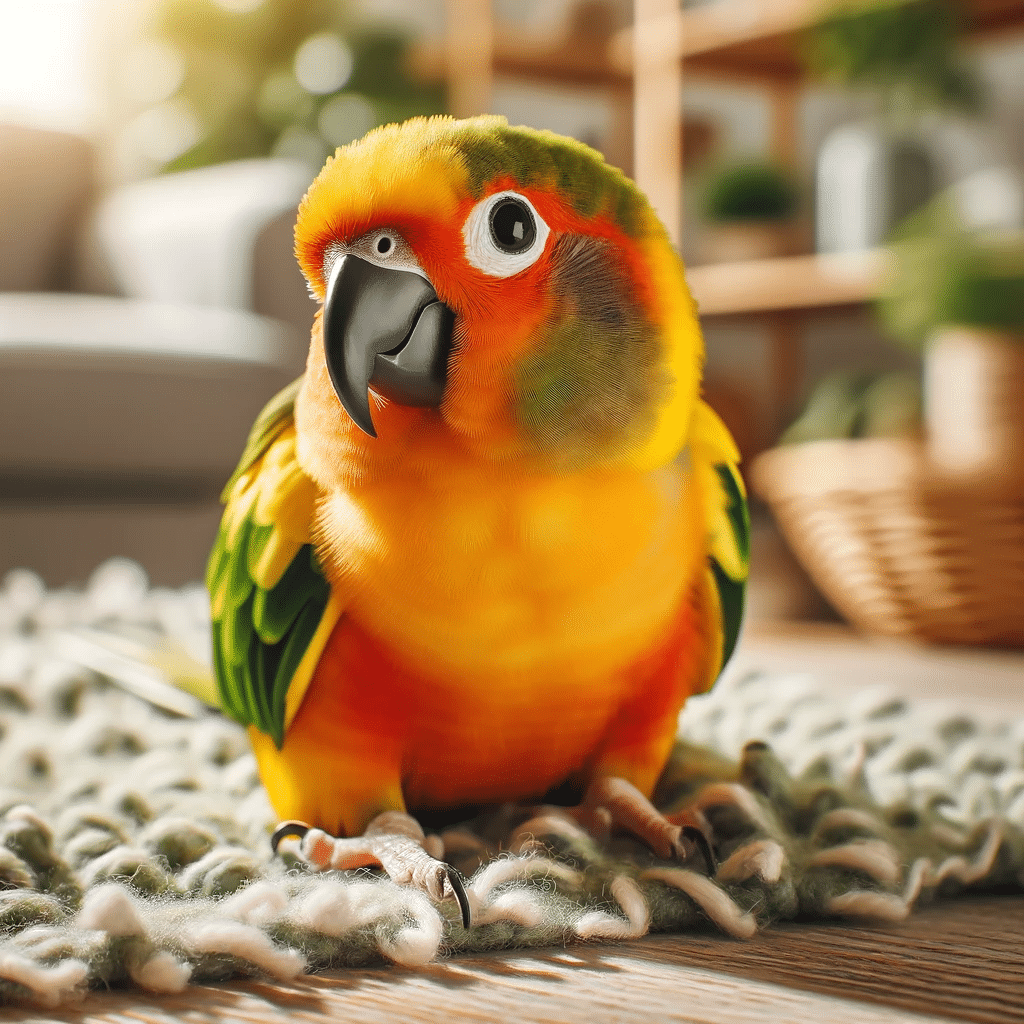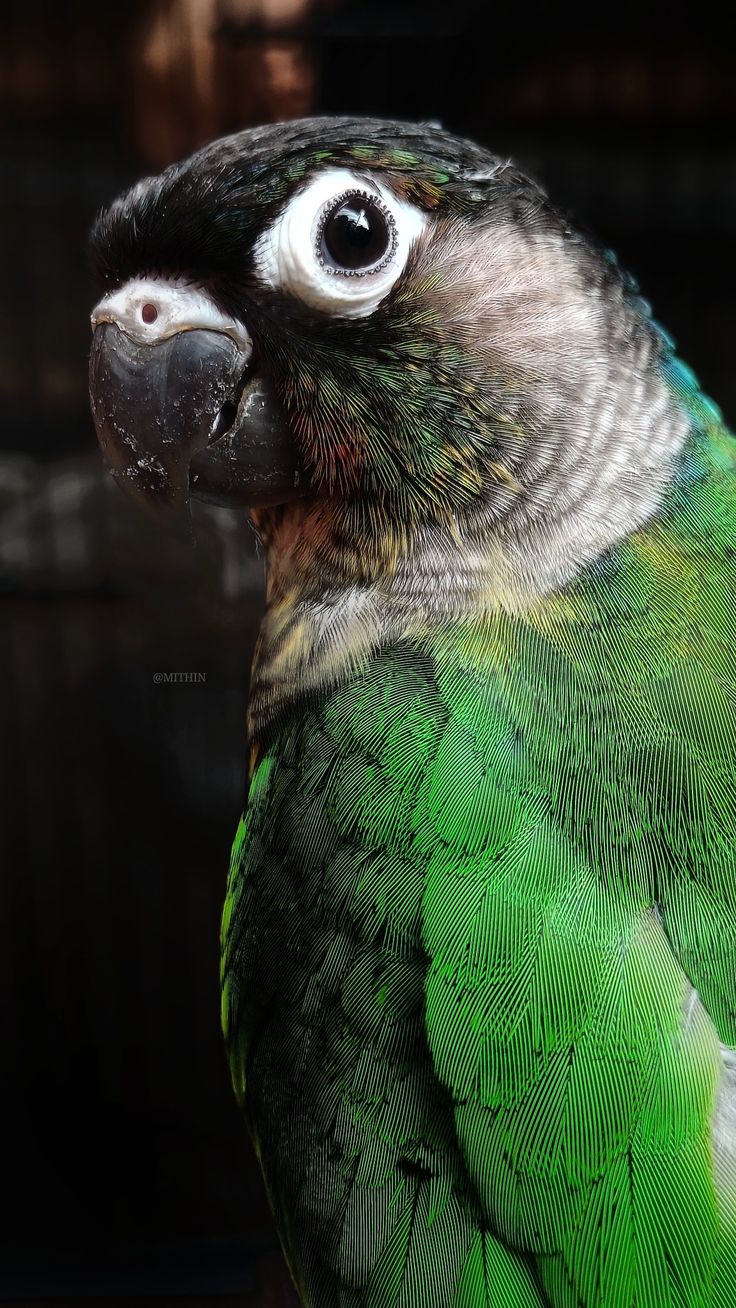
Conures are intelligent, colorful, and social parrots that make delightful companions. But if you’re a conure owner—or considering becoming one—you might be concerned about one common issue: why conure bite. Biting can seem aggressive or confusing, especially when your bird is otherwise affectionate.
In this guide, we’ll explore the root causes of biting in conures, how to recognize warning signs, and the best strategies to stop biting behavior without damaging your bond. With a bit of patience and insight, you can tame your conure and enjoy a rewarding, bite-free relationship.
Common Reasons Why Conures Bite
Parrots rarely bite without a reason. In fact, biting is often a last resort when a bird feels threatened, misunderstood, or frustrated. Let’s look at the most common causes of parrot aggression in conures:
1. Fear or Mistrust
Many bites stem from fear. If your conure hasn’t been properly socialized or has had a traumatic experience (especially with hands), it may bite defensively when approached.
2. Hormonal Changes
During breeding season, both male and female conures experience hormonal shifts that can make them territorial, moody, or overly protective. This is one of the top reasons for seasonal biting.
3. Territorial Behavior
Some birds become possessive of their cage, favorite perch, or even their favorite human. Trying to remove or handle them in these “guarded” areas can trigger a bite.
4. Overstimulation
Too much handling or noise can lead to sensory overload. A normally gentle bird may nip if it feels overwhelmed or wants space.
5. Lack of Training or Boundaries
Young conures, especially hand-fed ones, may test boundaries with gentle nips. Without gentle correction, these can turn into more forceful bites.
How to Tell If a Conure Is About to Bite
Birds communicate through body language. Learning to read your conure’s signals can help you avoid a bite before it happens.
Watch for These Warning Signs:
- Fluffed feathers combined with a stiff posture
- Pinned pupils (dilating and constricting quickly)
- Tail fanning
- Open beak or hissing
- Lunging or head-bobbing
If you notice any of these signs, pause interaction immediately. Respecting your conure’s boundaries is the first step in reducing defensive behavior.
What to Do When a Conure Bites You
It’s normal to feel upset or startled when your bird bites. But how you respond in the moment can either improve or worsen future behavior.
Do:
- Stay calm and steady. Avoid yelling or reacting violently.
- Gently place the bird back on its perch or neutral territory.
- Ignore the bird for a few minutes (no eye contact or attention) to discourage the behavior.
- Assess the situation — were you too close to its cage? Did you ignore a warning signal?
Don’t:
- Hit, shake, or blow on the bird. These actions damage trust and reinforce fear.
- Yell or scream. This may excite or confuse your bird (and parrots sometimes enjoy loud responses!).
Conures are quick learners. If they realize biting gets a big reaction, they may repeat the behavior. Staying composed teaches them it doesn’t yield a reward.
How to Prevent Biting Behavior in Conures
Biting isn’t just a “phase”—it’s a form of communication. Preventing biting in conures requires building trust, consistent training, and environmental awareness.
Effective Strategies to Stop Conure Biting:
- Establish a daily routine. Birds thrive on consistency, which reduces anxiety and aggression.
- Use positive reinforcement. Reward calm behavior with treats, praise, or gentle scratches.
- Encourage step-up training. Teach your conure to step onto your hand on command, away from the cage or high perches.
- Avoid pressure. Let your bird come to you. Don’t force interaction or handling.
- Socialize regularly. Talk to your conure throughout the day, even when not physically handling it. This boosts familiarity and comfort.
- Redirect chewing behavior. Provide safe bird toys to satisfy natural chewing urges.
📘 Want more care tips? Visit our Conure Parrot Care Guide to help strengthen your bond and build trust with your bird.
Are Certain Conure Species More Prone to Biting?
All parrots can bite, but some conure species are more assertive or reactive than others. Knowing your bird’s species can help you set realistic expectations.
Conure Species and Their Temperaments:
- Green Cheek Conures
Generally sweet and gentle, but may bite when frightened or overhandled. They’re one of the best beginner conures. - Sun Conures
Loud, energetic, and often nippy as juveniles. They require regular handling and socialization. - Nanday Conures
Vocal and intelligent. Can be nippy if not mentally stimulated or properly trained. - Jenday Conures
Social and affectionate, but may exhibit territorial tendencies during hormonal periods.
Regardless of the species, consistent handling, social time, and clear boundaries go a long way in minimizing biting.
🐦 Explore available personalities by browsing our Conure Birds for Sale. Each bird comes hand-raised and socialized to give you the best start in building a lifelong bond.
When to Seek Help from a Bird Behaviorist
If your conure’s biting becomes frequent, intense, or unpredictable—even after consistent training—it may be time to seek help from a certified avian behaviorist or vet.
Signs You Need Expert Help:
- Biting draws blood regularly
- Aggression toward everyone, not just one person
- Sudden change in personality or behavior
- Other symptoms like feather plucking, screaming, or hiding
Sometimes, underlying health issues or trauma need professional evaluation. Don’t hesitate to reach out for guidance if biting is disrupting your household.
🔧 Need personal advice? Use our Contact Form to speak with a parrot expert today.
Conclusion: Biting Is a Message—Not Malice
If you’re wondering why conure bite, the answer is often simple: they’re trying to communicate. Whether it’s fear, hormones, or confusion, understanding the root cause of biting is the key to stopping it. Through patience, reading body language, and building trust, your conure can become a gentle, loving companion.
Remember: no bird is perfect, but with time, training, and compassion, biting doesn’t have to be a dealbreaker—it can be a learning opportunity.
🛒 Ready for a Trusting, Loving Companion?
Browse our hand-raised, socialized Conure Parrots for Sale at Silvergate Bird Farm. We help match you with the perfect feathered friend—and offer lifetime support for your bird-raising journey.